Table of Contents
If you’ve ever shopped for a natural mattress, you’ve probably come across the term “hybrid latex mattress.” Many mattress manufacturers advertise hybrid designs as offering the best of both worlds, but very few actually show you what’s inside the mattress.
As someone who has spent years researching and comparing certified natural latex mattresses, I’ve found that understanding the internal construction of a mattress is one of the most important steps in making an informed buying decision.
Recently, I opened up a hybrid latex mattress to examine every layer inside. Seeing the actual components firsthand provides valuable insight into how these mattresses are built, how they perform, and whether they are worth the investment.
In this article, I’ll walk you through each layer of a hybrid latex mattress, explain the purpose of every component, and discuss the advantages and disadvantages of this mattress design.
Why Mattress Construction Matters
Most mattresses look similar from the outside. They are covered in fabric, often have attractive quilting, and may feel comfortable when you first lie down on them.
However, the materials hidden beneath the cover ultimately determine how the mattress will perform over the long term.
The internal components influence:
- Pressure relief
- Spinal alignment
- Motion isolation
- Durability
- Temperature regulation
- Edge support
- Responsiveness
- Overall lifespan
A mattress that feels comfortable in a showroom may perform very differently after several years of nightly use if lower-quality materials were used in its construction.
That’s why I always recommend looking beyond marketing claims and examining what’s actually inside the mattress.
The First Layer: Organic Cotton and Wool Cover
The first component you’ll encounter in many premium natural latex mattresses is the outer cover.
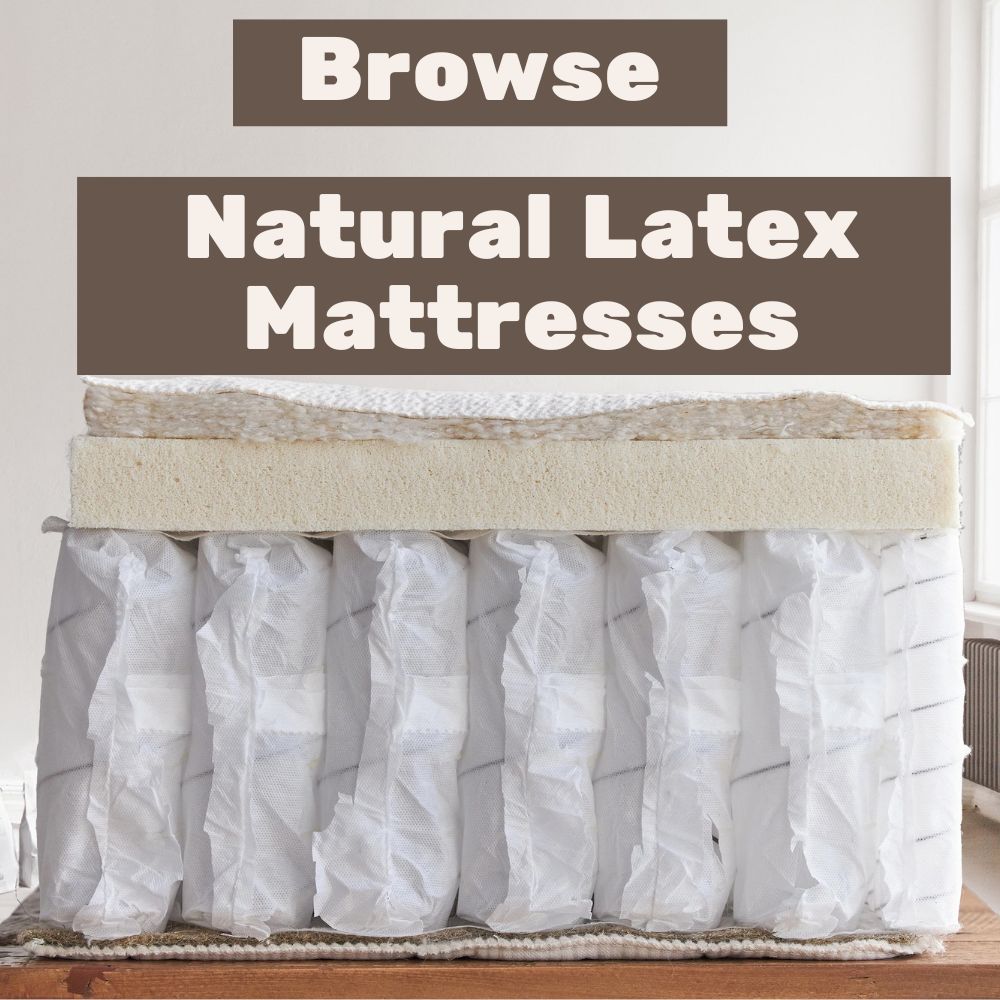
In the mattress I examined, the cover consisted of organic cotton quilted with New Zealand wool.
This combination serves several important functions.
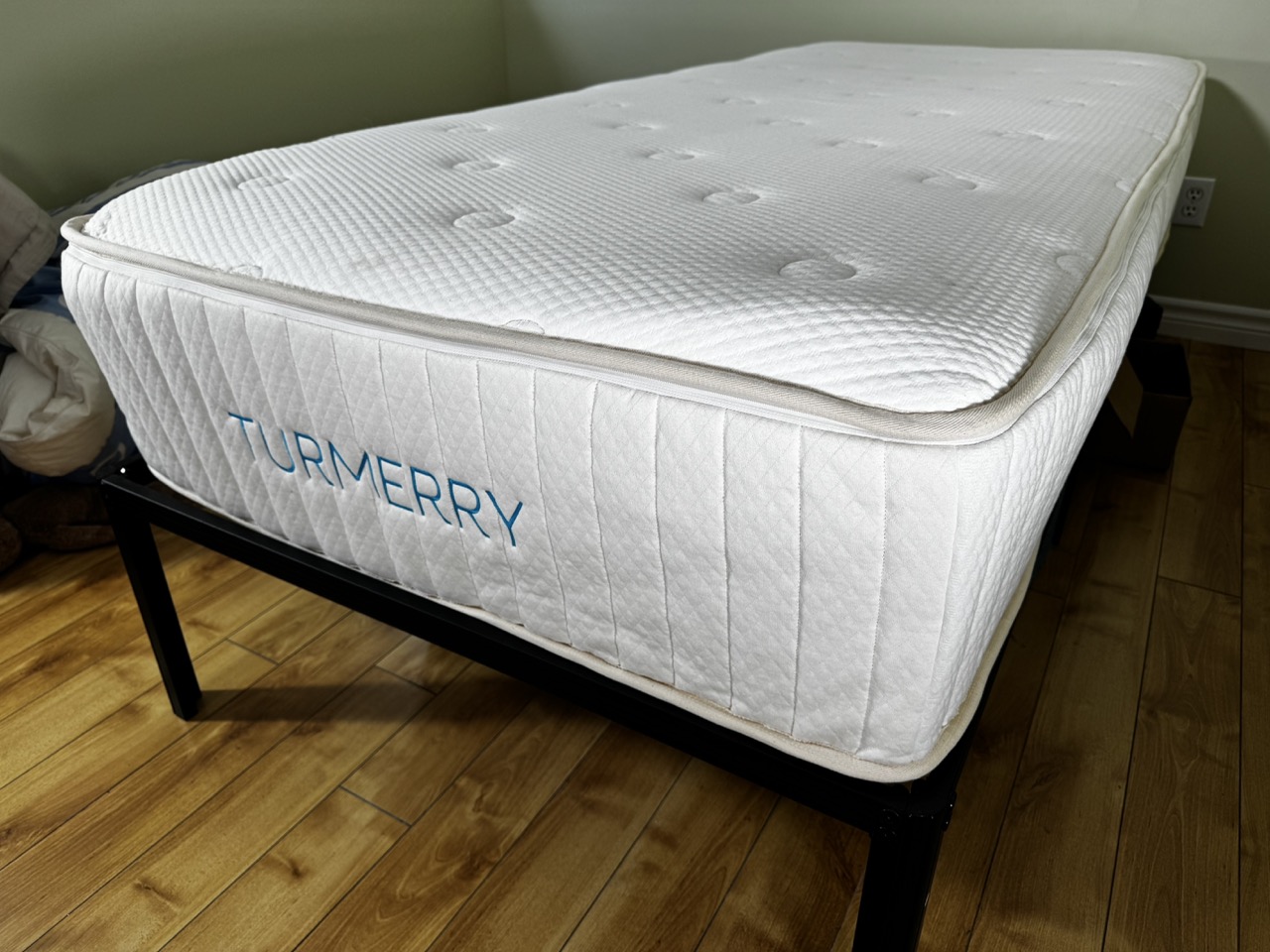
Organic Cotton
Organic cotton provides a soft, breathable sleeping surface. Compared to many synthetic fabrics, cotton allows better airflow and helps regulate moisture throughout the night.
Many consumers choose organic cotton because it is produced without many of the pesticides and chemicals commonly associated with conventional cotton farming.
New Zealand Wool
Wool is one of the most versatile natural materials used in mattress construction.
It offers several benefits:
- Excellent temperature regulation
- Natural moisture-wicking properties
- Improved breathability
- Natural resistance to dust mites
- A built-in fire barrier that often eliminates the need for chemical flame retardants
Wool can absorb significant amounts of moisture without feeling damp, helping create a more comfortable sleep environment.
When combined with organic cotton, the result is a breathable and comfortable surface layer that complements the performance of the latex underneath.
The Advantage of a Zippered Mattress Cover
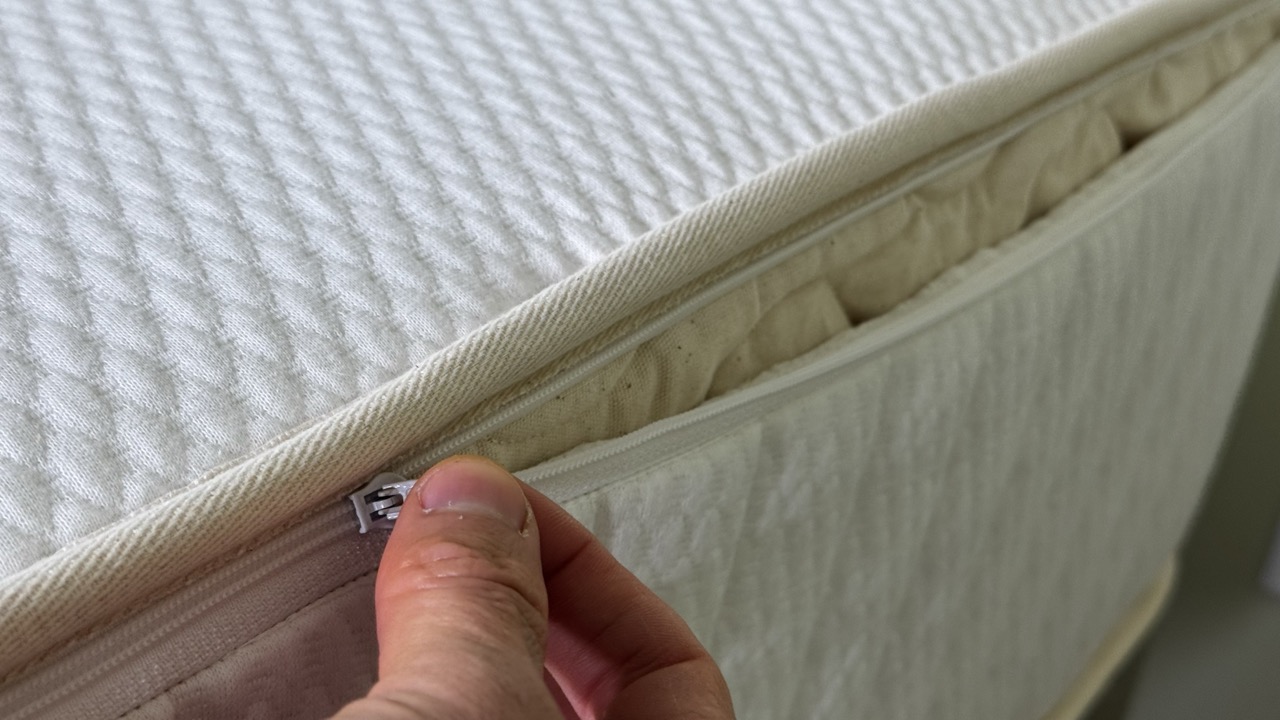
One feature that immediately stood out was the zippered mattress cover.
Unlike conventional mattresses that are permanently sealed, some natural latex mattresses allow you to unzip the cover and access the internal layers.
This offers several advantages:
- You can inspect the materials yourself.
- You can rearrange comfort layers.
- You can replace individual components if needed.
- You can customize firmness levels.
From a transparency standpoint, a zippered cover allows consumers to verify that the mattress contains the materials advertised by the manufacturer.
That level of transparency is relatively uncommon within the mattress industry.
The Comfort Layers: Dunlop Natural Latex
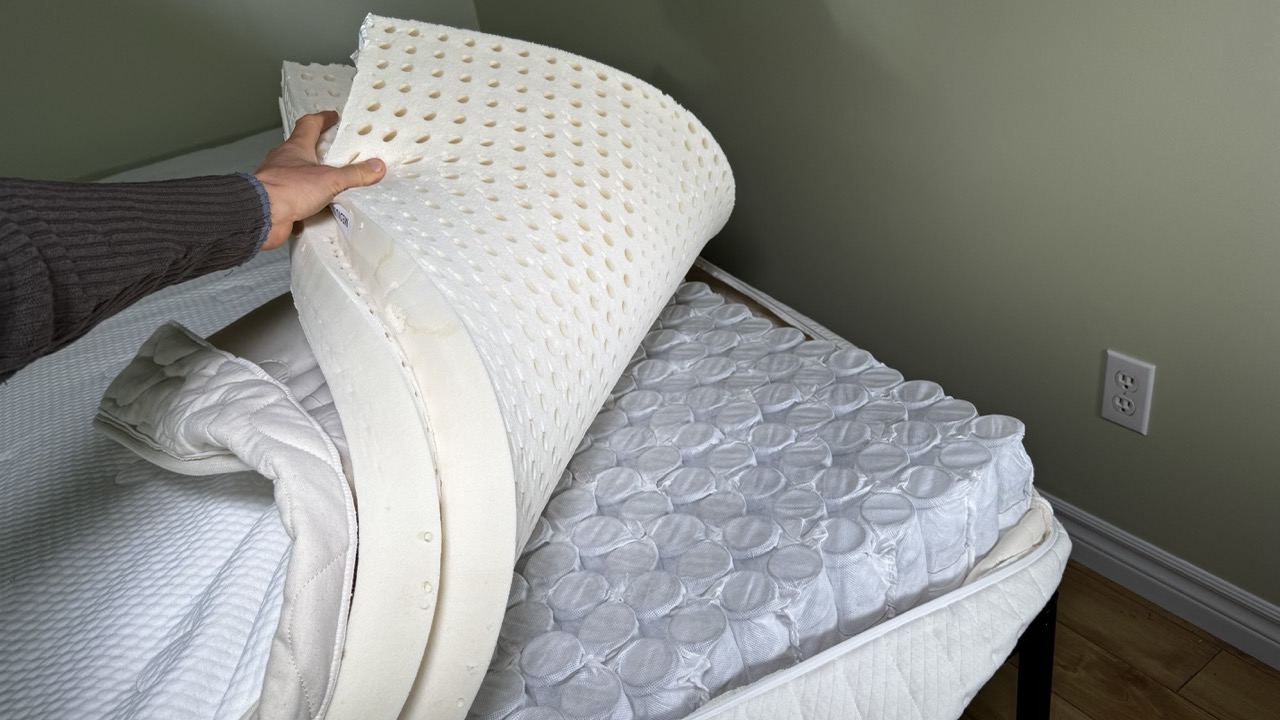
Beneath the cover were two 2-inch layers of Dunlop natural latex.
These layers form the primary comfort system of the mattress.
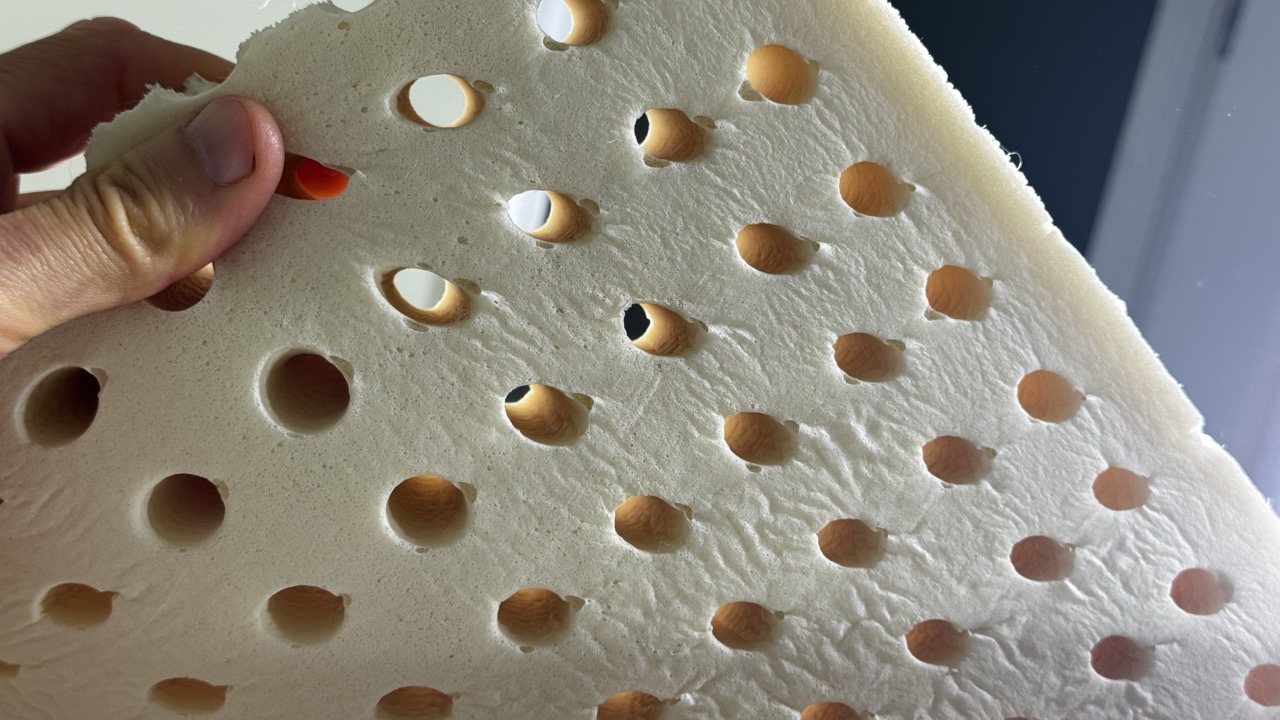
What Is Dunlop Latex?
Dunlop latex is produced using sap harvested from rubber trees.
The liquid latex is whipped into a foam, poured into molds, vulcanized, washed, and dried to create a resilient foam material.
Natural Dunlop latex has become increasingly popular among consumers seeking alternatives to polyurethane foam and memory foam.
Why Dunlop Latex Is Different
One of the first things people notice when lying on natural latex is its responsiveness.
When pressure is applied, latex compresses immediately.
When pressure is removed, it rebounds almost instantly.
This creates a very different experience compared to memory foam.
Memory foam tends to allow the sleeper to sink into the mattress and can create a delayed response when changing positions.
Latex, by contrast, feels more buoyant and responsive.
Many sleepers describe it as feeling like they are sleeping “on” the mattress rather than “in” the mattress.
Durability Benefits
One reason natural latex mattresses often command premium prices is durability.
High-quality natural latex can maintain its performance characteristics for many years.
Compared with conventional polyurethane foam, latex generally demonstrates:
- Greater resilience
- Better shape retention
- Reduced body impressions
- Longer useful lifespan
For consumers planning to keep a mattress for a decade or longer, durability becomes an important consideration.
Zoned Latex Construction Explained
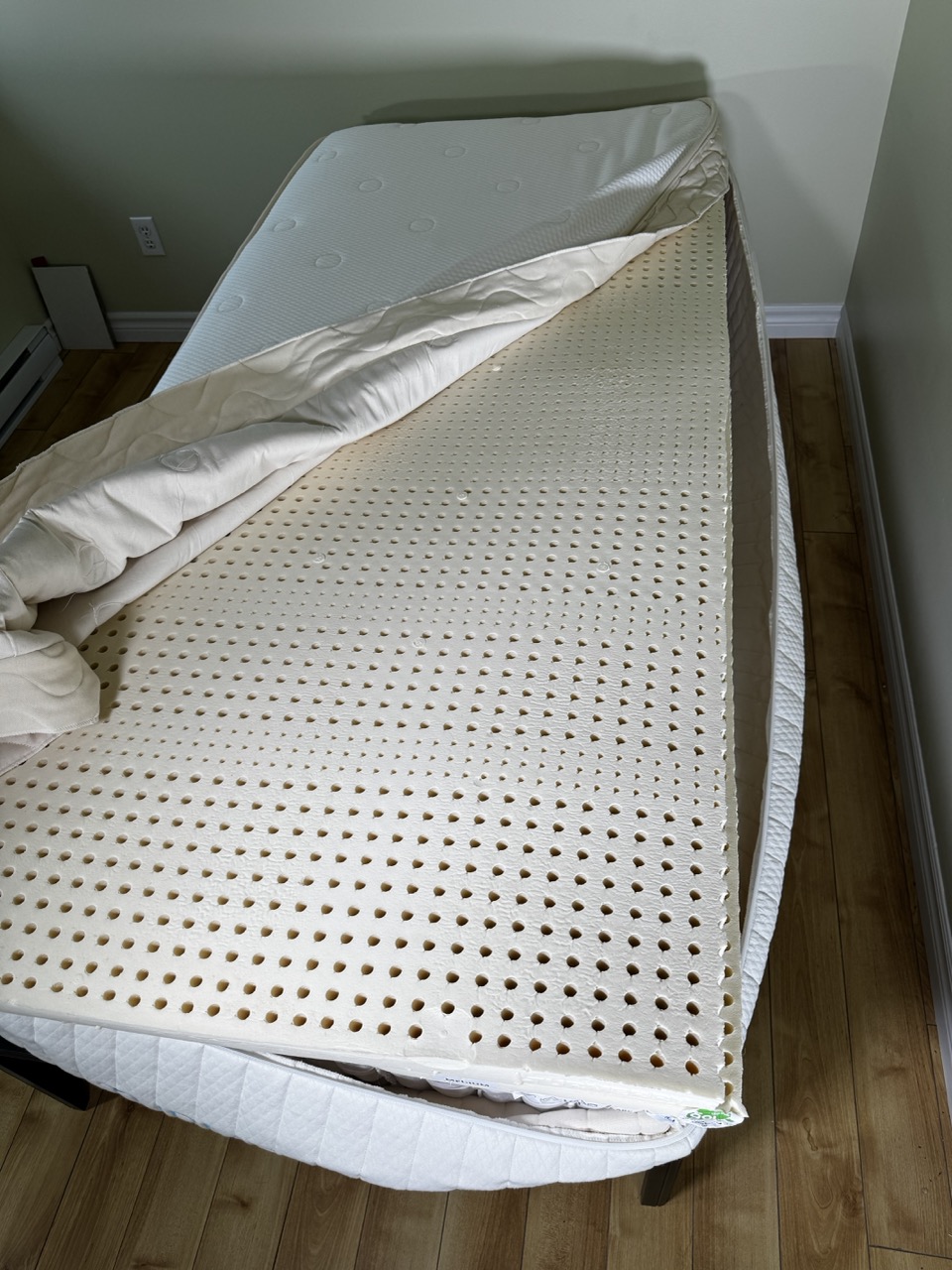
The latex layers I examined incorporated a zoned design.
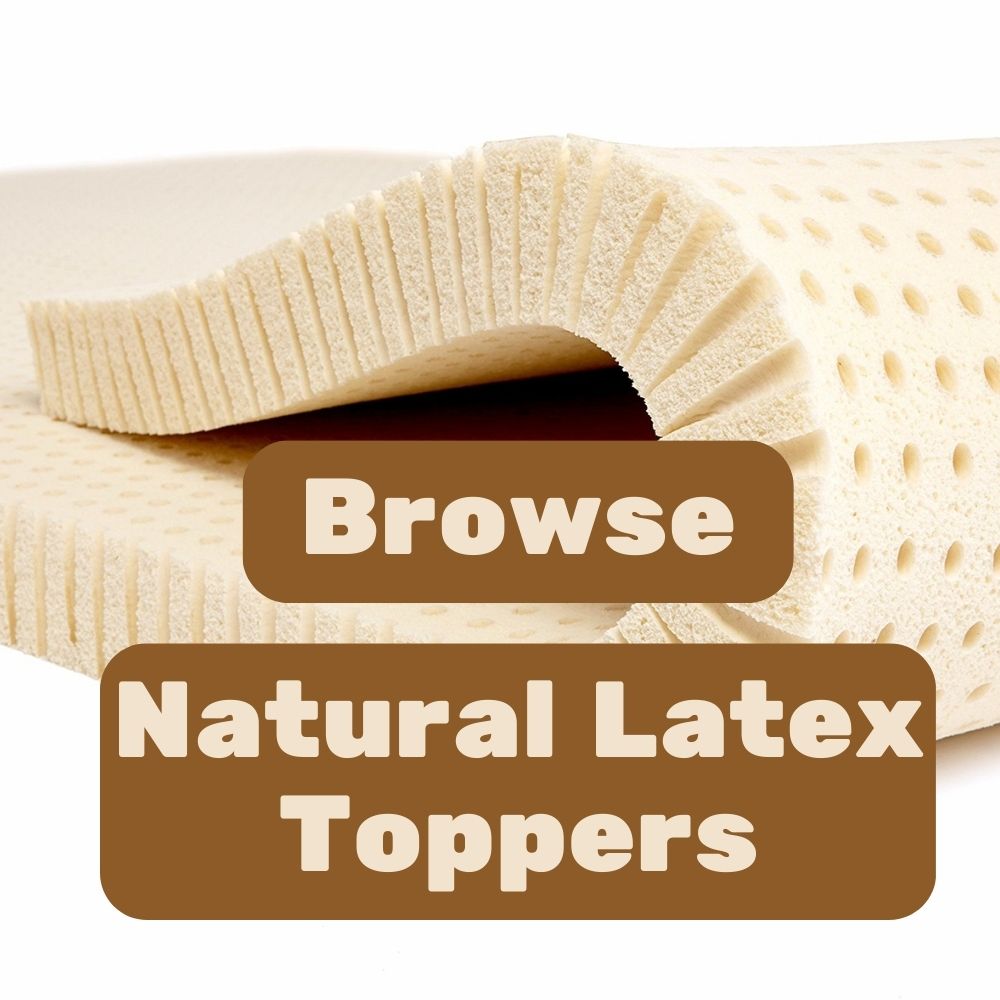
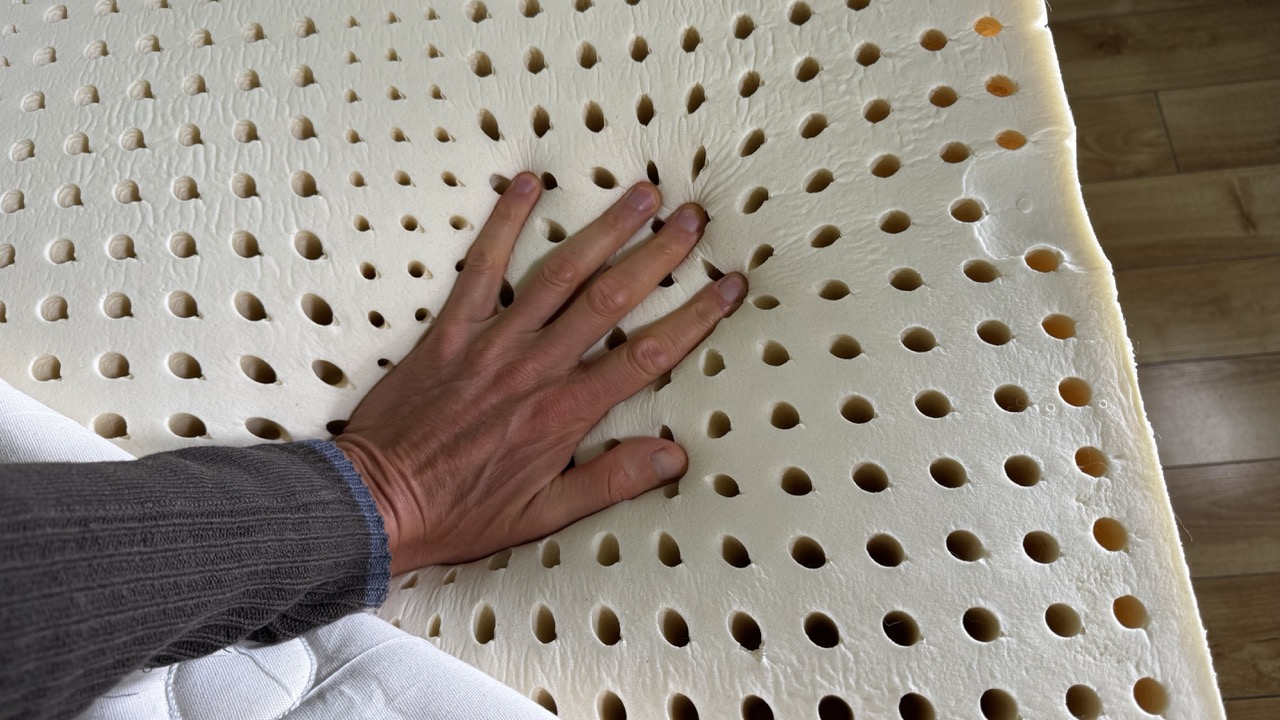
At first glance, the surface appeared to contain perforation holes arranged in different sizes.
These perforations serve two important functions.
Improved Airflow
The holes create channels that promote airflow throughout the latex.
This additional airflow helps dissipate heat and moisture.
Natural latex is already considered more breathable than many memory foam formulations, and the perforations enhance that characteristic.
Targeted Support
The size and placement of the perforations also influence firmness.
Smaller holes create a denser feel because there is more latex material present.
Larger holes create a softer feel because the latex compresses more easily.
Manufacturers strategically place these zones throughout the mattress to better accommodate the body’s weight distribution.
For example:
- The shoulder area may be softer.
- The lumbar area may be firmer.
- The hip area may receive additional support.
The goal is to help maintain a more neutral spinal alignment while reducing pressure points.
The Support Core: Pocketed Coils
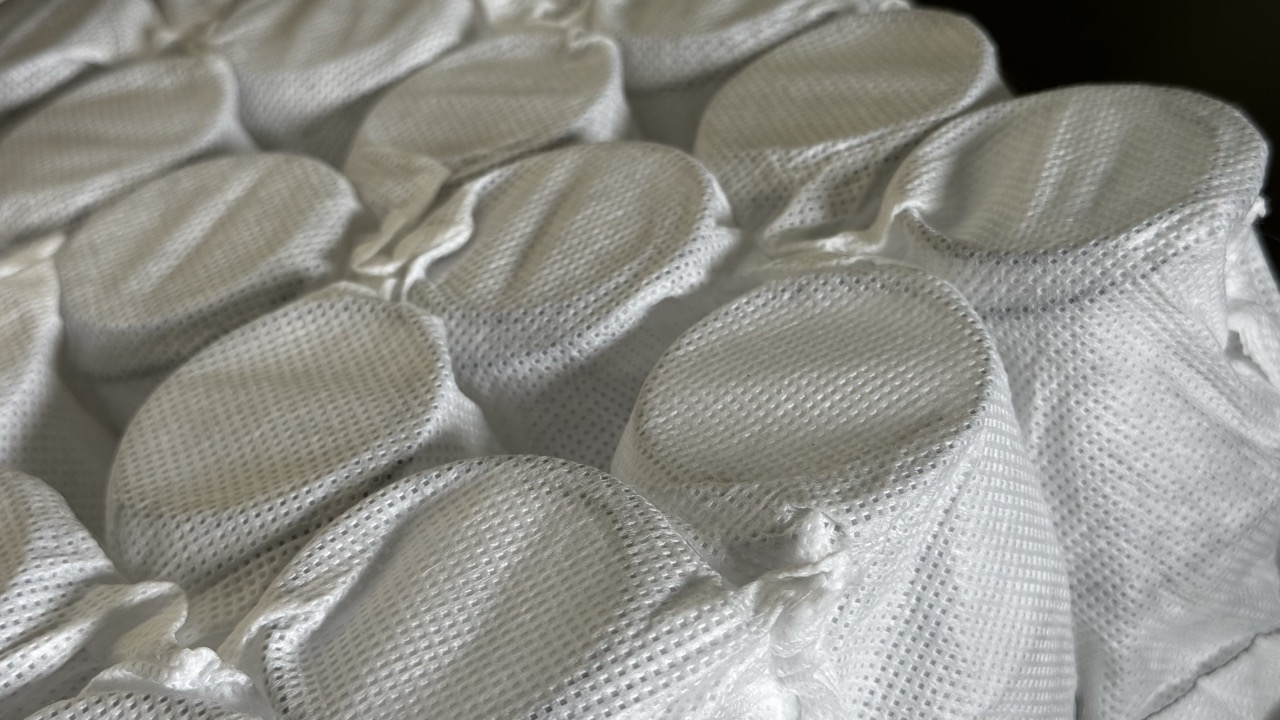
After removing the latex layers, the next component revealed was the pocketed coil support system.
This is the defining feature that separates a hybrid mattress from an all-latex mattress.
What Are Pocketed Coils?
Pocketed coils are steel springs individually wrapped in fabric sleeves.
Each coil operates independently from the surrounding coils.
This differs significantly from traditional innerspring mattresses where springs are interconnected.
Benefits of Pocketed Coils
Independent coils provide several advantages:
Targeted Support
Each coil responds individually to pressure.
This allows different parts of the mattress to adapt to different areas of the body.
Reduced Motion Transfer
Because coils are not directly connected, movement on one side of the mattress is less likely to be transmitted across the entire sleep surface.
This can be beneficial for couples.
Improved Airflow
The open space between coils allows significant airflow through the mattress.
Hybrid latex mattresses often sleep cooler than many all-foam mattresses because of this ventilation.
Enhanced Edge Support
Many hybrid designs incorporate reinforced perimeter coils that help create stronger edge support.
This can make getting in and out of bed easier and increase the usable sleeping surface.
Hybrid Latex vs. All-Latex Mattresses
One of the most common questions I receive is whether consumers should choose a hybrid latex mattress or an all-latex mattress.
The answer depends on individual preferences.
Hybrid Latex Mattress Advantages
- Lower overall weight
- Strong airflow
- Excellent responsiveness
- Easier handling and setup
- Often lower cost than all-latex models
- Good balance of support and pressure relief
All-Latex Mattress Advantages
- No steel components
- Exceptional durability
- Consistent support throughout the mattress
- Often preferred by consumers seeking maximum natural content
Neither design is universally better.
The best choice depends on sleeping position, body weight, comfort preferences, and budget.
Understanding Natural Latex Certifications
Consumers frequently ask how they can verify whether a mattress contains genuinely natural materials.
This is where certifications become important.
GOLS Certification
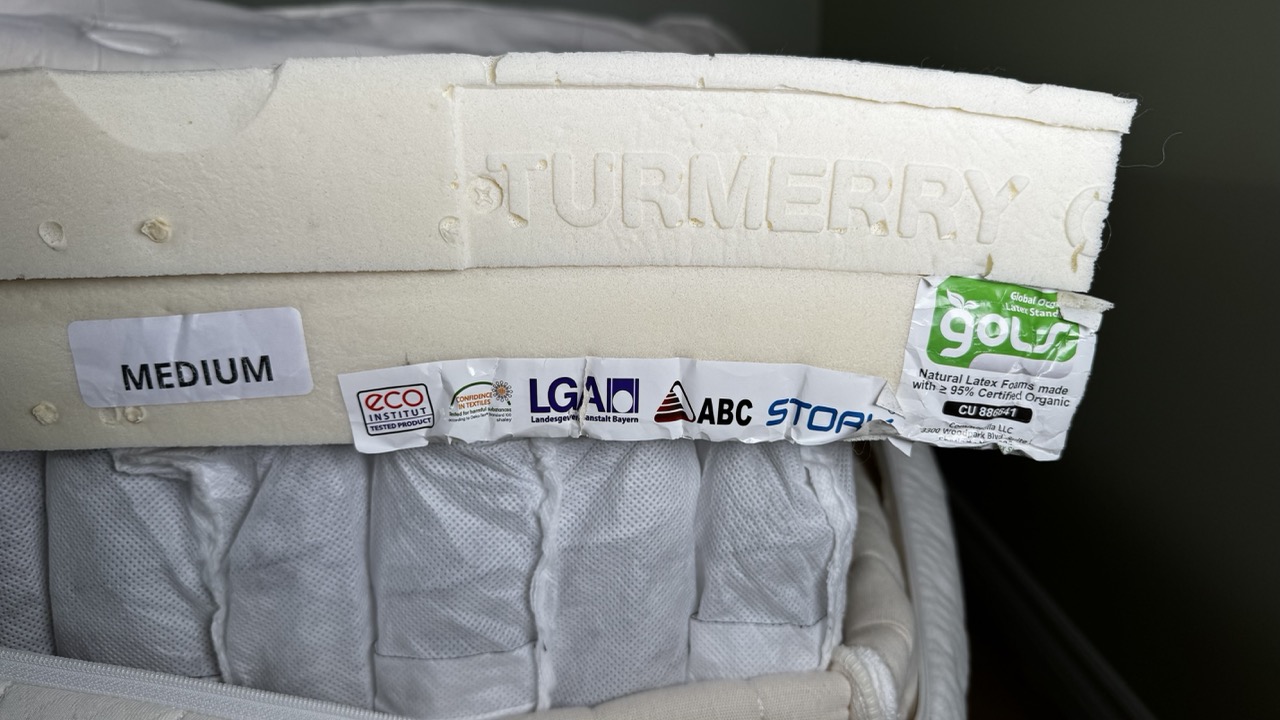
The Global Organic Latex Standard (GOLS) is one of the most widely recognized certifications for organic latex.
GOLS certification verifies, among other requirements, that the latex contains a high percentage of certified organic raw material.
For consumers specifically seeking organic latex, this certification provides meaningful third-party verification.
eco-INSTITUT Certification
The eco-INSTITUT certification evaluates products for potentially harmful emissions and substances.
This certification can provide additional confidence regarding indoor air quality considerations.
Why Certifications Matter
Certifications help consumers distinguish between:
- Natural latex
- Organic latex
- Synthetic latex
- Marketing claims that may not reflect actual material content
They provide independent verification rather than relying solely on manufacturer advertising.
Who Should Consider a Hybrid Latex Mattress?
A hybrid latex mattress may be a strong option for:
- Back sleepers seeking balanced support
- Combination sleepers who change positions frequently
- Hot sleepers looking for improved airflow
- Couples seeking reduced motion transfer
- Consumers wanting natural materials without the weight of a full latex mattress
However, comfort remains highly individual.
Whenever possible, evaluate firmness options carefully and select a mattress configuration that matches your body type and sleeping position.
Final Thoughts
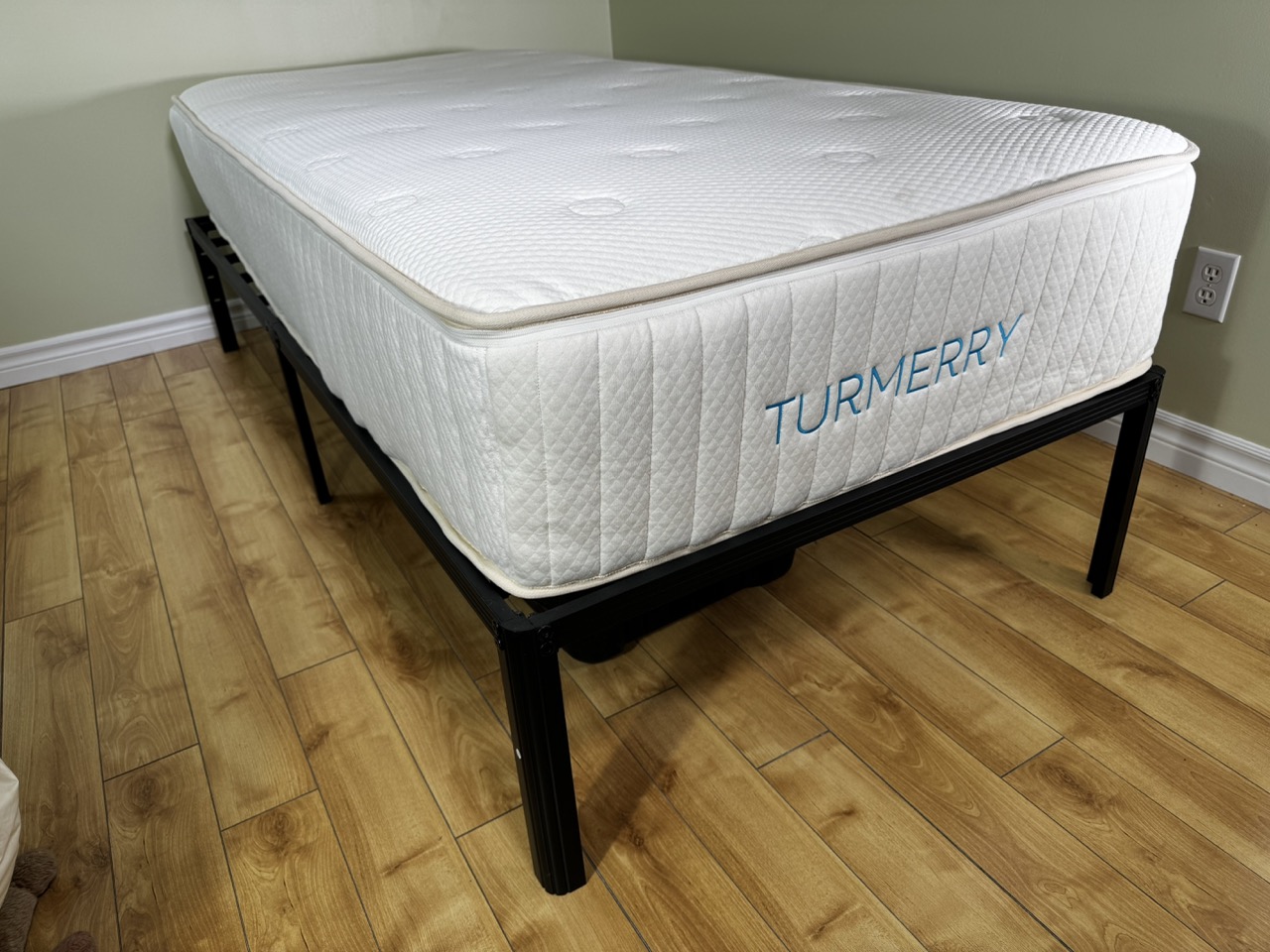
After examining the internal construction of a hybrid latex mattress firsthand, one thing becomes clear: every layer serves a specific purpose.
The organic cotton and wool cover contributes breathability and comfort. The Dunlop latex layers provide pressure relief, responsiveness, and durability. The zoned construction helps support proper spinal alignment. Finally, the pocketed coil system delivers targeted support, airflow, and stability.
Understanding these components helps consumers move beyond marketing language and evaluate mattresses based on their actual construction.
If you’re considering a natural mattress, I encourage you to look beyond surface comfort and investigate what’s inside. The quality of the materials beneath the cover will often have a greater impact on long-term satisfaction than the initial feel in a showroom.
A well-constructed hybrid latex mattress combines several proven materials into a design that balances comfort, support, durability, and breathability—qualities that many sleepers are seeking in today’s mattress market.