Table of Contents
Fire retardant history
First off, some history on fire retardants and their use in the mattress industry: In the early 1970s, cigarette companies were facing strong criticism on a regular basis, and it wasn’t for the cancer-causing effects. The criticism was brought on by the massive number of house fires and resulting deaths that were being caused by cigarettes, usually from people falling asleep with lit cigarettes in their hands. Tobacco companies claimed that they were unable to manufacture a safer cigarette without losing business, and therefore started directing attention and criticism to furniture manufacturers, claiming that they should start making their products with flame retardants and that cigarettes were not the ones to blame. In 1975 a mattress fire retardant law passed that required furniture manufacturers to start making products that met certain flammability standards, which led to a rise in the research and use of chemical fire retardants. The tobacco companies created a front called the National Association of State Fire Marshal’s. This allowed millions of dollars being passed to fire department organizations by way of things like endorsements, grants, and extravagant meetings and outings. Essentially the tobacco companies persuaded the firefighter organizations to support their own agenda, resulting in the passing of the new mattress fire retardant law. For years this practice was scrutinized and fought against by the attorney general’s office, as well as other members of the firefighter community, and The National Association of State Fire Marshal’s came to an end in 1999, by order of the court settlement between the institute and the attorney general’s office. The tobacco institute responsible for spearheading flammability legislation may have ended, but the people behind it, in conjunction with the firefighters, and at this point, the chemical companies manufacturing these retardants, continued to push for more chemical fire retardant use. For a more detailed account of these events, check out this article in the Chicago Tribune.What are chemical flame retardants, and how do they affect our health?
The term flame retardants are used to classify a material, usually a chemical mixture, that is used to prevent the ignition of a different material. In regards to mattresses, flame retardants are used to slow the rate at which they burn when they are ignited. The number of different chemicals used in fire retardants is in the thousands, and many of them have yet to be fully researched in regards to environmental and health effects. In this section, we’ll talk about some of the most commonly used mattress fire retardants, and how they can negatively affect our health.Penta-bromodiphenyl ether
(PentaBDE)- Used to make brominated fire retardants
- Classified as environmentally toxic with potential long-lasting effects, and unsafe for humans
- Risk of harm through skin exposure and ingestion
- Harmful to infants and young children
Hexabromocyclododecane
(HBCCD)- Used to make brominated fire retardants
- Toxic bioaccumulate to aquatic organisms
- Liver damage in animal studies
Boric acid
- A pesticide that is used to kill cockroaches
- Can be absorbed through the skin
- Extended exposure could lead to kidney damage
- In animal studies, exposure caused skeletal variations, cardiovascular defects, and impaired fertility
- Antimony
- Can enter the body through the skin or by inhalation
- Skin and eye irritant
- Exposure can cause respiratory issues, headaches, nausea, vomiting, abdominal pain, and loss of sleep
- May damage the liver, kidney, and may affect the heart
Vinylidene Chloride
- Acute effects caused by high exposure include adverse neurological effects, convulsions, spasms, and respiratory difficulties
- Chronic effects include possible liver effects, as well as kidney and lung effects
Decabromodiphenyl oxide
- Has potential for carcinogenic properties in different tumors
- Potential to disrupt biological processes related to thyroid hormones
Formaldehyde
- Can cause leukemia, as well as throat and nose cancer
- Irritates the eyes, nose, throat, and skin
Melamine
- Can crystallize renal tubes, resulting in kidney damage and failure
- Can also lead to reproductive damage and bladder cancer
Organohalogen Flame Retardants
- Can be leached from mattresses, exposing humans through ingestion, breathing, and skin contact
- Children are especially vulnerable, exhibiting three to five times as much accumulation in their bodies in comparison to adults living in the same house, and are also more at risk due to their bodies still being in the developmental stage
- Can cause decreased IQ, impaired memory function, cancer, reproductive problems, as well as hormone and immune problems
- In children especially can cause learning deficits and hyperactivity
Safer alternatives
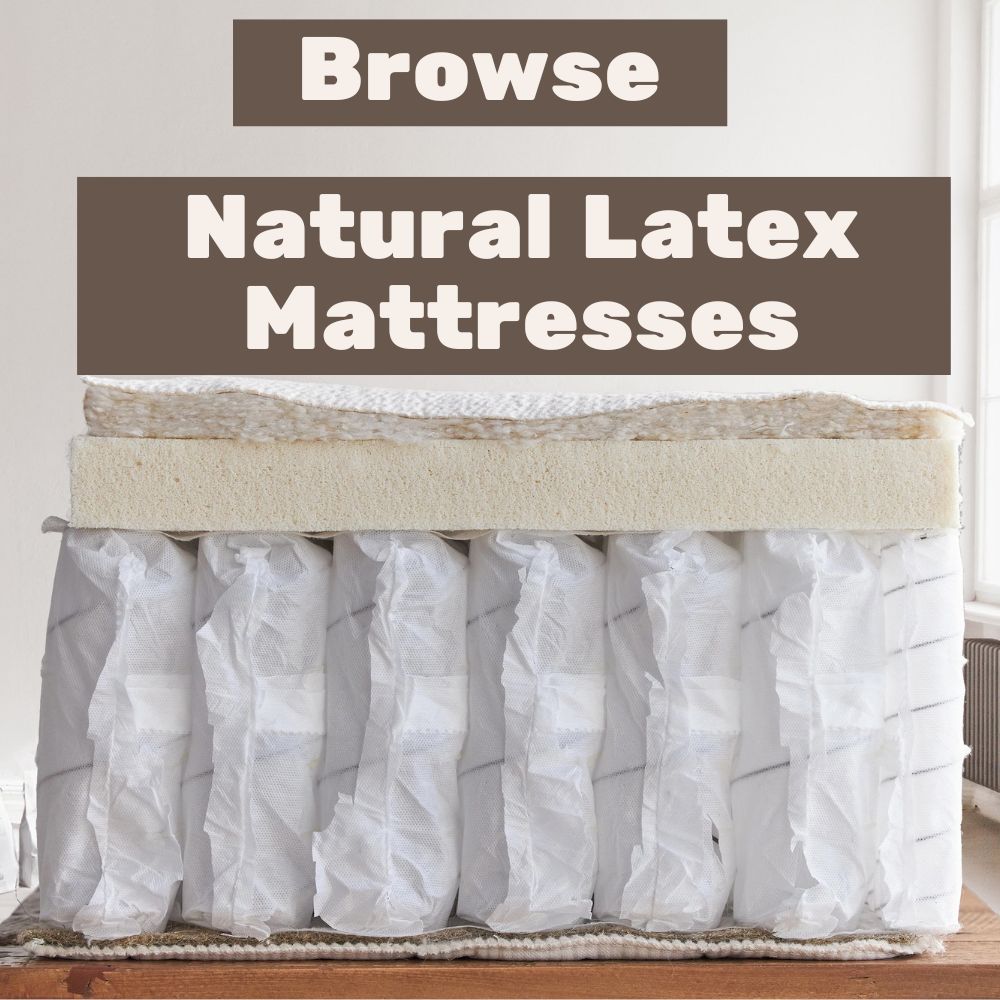
One of the most important things about this fire retardant ordeal is the fact that no laws require the use of chemicals in order to meet mattress flammability standards. The laws only state that the mattresses need to be able to burn at a certain rate, determined by the U.S. Consumer Product Safety Commision (CPSC). Many manufacturers claim that chemical fire retardants are required in mattresses, which simply is not true. When mattresses are tested, manufacturers must test at least 3 identical mattresses. These mattresses are placed in a humidity and temperature controlled room, where they are exposed to a flame for a certain amount of time. After exposure, the mattresses are measured to determine how much heat was released from them. As long as the heat released does not exceed the maximum, the mattress is considered safe in terms of flammability. Thankfully, there are also manufacturers out there who still have an interest in providing a genuine and honest product, that is much safer for your body, and also won’t burn your house down. Wool is a very popular material used for its comfortability as well as its flame resistance. Because wool can hold 30 percent of its weight in moisture, it is very flame resistant. Wool’s microscopic structure reveals a very tight-knit and tangled arrangement of fibers, contributing to a material lacking in oxygen, resulting in a slower and cooler burning product. Organic latex is also a popular option for a safer flame retardant material. Make sure to watch out for non-organic latex, however, as it is a synthetic product and contains chemicals. When shopping for a new chemical-free fire retardant mattress, keep an eye out for some of these certifications that can help you know for sure what you’re getting for your money. Remember, there is no such thing as a non-fire retardant mattress, but there are fire retardant mattresses that do not possess harmful chemicals.- Oeko-Tex standard 100
- Prohibits the use of harmful flame retardants and dyes
- Sets limits for VOC (volatile organic compounds) emissions